
Adaptation & Versioning
One approved master. Every SKU, market, and language.
Language, market, seasonal, and promotional packaging versions at volume, with brand consistency maintained across every SKU.
Governance
The master stays the source of truth
Variants derive from the approved master, so drift has nowhere to enter. Every change is recorded.
Efficiency
Cost per variant falls with volume
Each new SKU, language, or size costs a fraction of a fresh build, and turnaround drops as volume rises.
Adaptation & Versioning at a glance
- What you get
- Managed language, market, size, variant and promotional versions
- Built from
- Your approved master artwork and approved text set
- Checked before release
- Every variant runs the ART* 50-point audit
- Change control
- Update the master once; downstream variants reconcile to it
- How you engage
- Primary vendor or second source, starting with a scoped pilot
Versions at volume, without the drift
Adaptation fits an approved master to new conditions; versioning produces each managed variant from it. We run both under one governed process, so a range of hundreds of packs behaves like one brand family.
Language and market versions
Translated and market-specific panels placed from your approved text set, not retyped, with copy checked against the source.
Size and format adaptation
Approved designs refitted to new pack sizes, formats, and dielines while brand-critical elements hold their position and proportion.
Variant and flavor extensions
New flavors, scents, and line extensions built as controlled changes against the master, so the family stays consistent.
Seasonal and promotional runs
Limited editions, promotional flashes, and retailer-specific versions turned around for launch windows and seasonal waves.
Regulatory panels per market
Ingredient, nutrition, warning, and mandatory statements drawn per market from the approved text set and checked on every variant.
Change propagation
Change the master once and every downstream variant reconciles to it, including the ones already built, each change logged.
How versioning is governed
Every variant traceable to its master
Variants derive from the master. They are not rebuilt next to it, so drift has nowhere to enter.
Derived, not rebuilt
Market, language, size, and SKU differences apply as controlled changes against the master, each one recorded.
One approved text set
Copy, claims, and regulatory marks are drawn per market from the approved text set, not retyped.
Reconciled on change
When the master changes, every downstream variant reconciles to it, so the range never splits into versions of the truth.
Audited per variant
Every variant runs the 50-point audit before it leaves us, with color and mandatory copy checked against the source.
Version-controlled audit trail
Which variants exist, what each one changed, and which master it derives from are all on the record.
Scales the right way
Turnaround per variant falls as your volume rises. A manual artwork process behaves the opposite way, which is why a seasonal surge breaks it.
ARTiViA's lower cost is the result of our lean, no-legacy structure, not corner-cutting. The governance stays; the overhead does not.
How a versioning project runs
Get started- 1
Start with a pilot project
We take your approved master, approved text set, dielines, and market list, and confirm the variant scope and SLA up front.
- 2
Governed versioning & QC
Variants are built as controlled changes against the master. Each one runs preflight and the 50-point audit before release.
- 3
Scale after success
Versions are delivered print-ready with a version-controlled audit trail. After the pilot, increase volume under an SLA as your preferred vendor or second source.
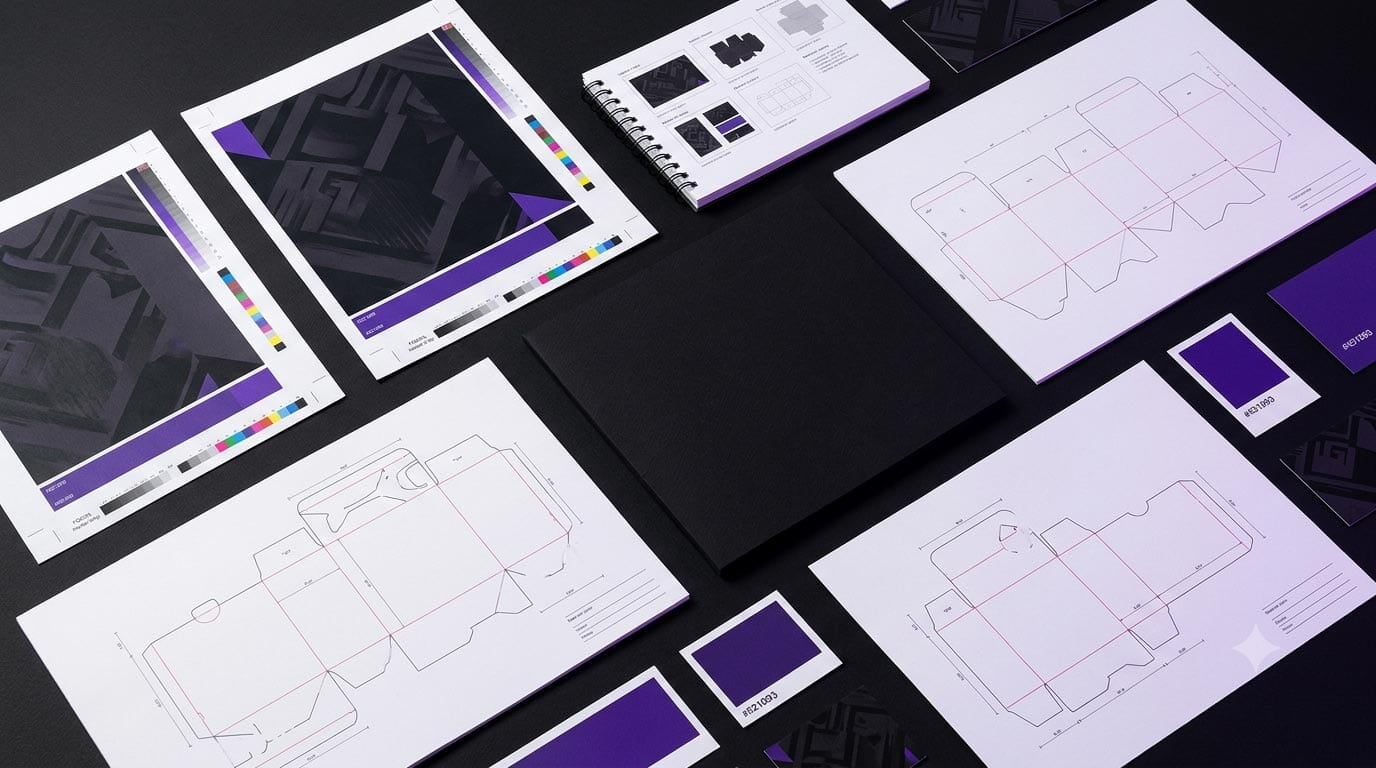
Risk you're managing
Versions multiply faster than teams do.
A single product line can generate hundreds of packs once sizes, languages, and markets multiply. Built one by one, each pack is a fresh chance for a color, a claim, or a mandatory statement to drift from the master.
The volume you need in Q3 is often far beyond what a single studio was built to handle in Q1. Versions pile up while the market keeps moving, and the errors that slip through surface on shelf, not in review.
A governed second source for adaptation and versioning adds capacity for launches and seasonal waves, and gives you a measurable quality benchmark, without displacing your current setup.
Book a second-source reviewWhere we are going
The future of premedia
ARTiViA is built on expert human production and measurable governance. That is what we deliver today, and it is the foundation everything else stands on.
We believe the future of premedia is AI-powered production matched with human expertise and governance. Agentic intake and AI-native quality control make governed production faster to start and easier to audit, with human experts owning every judgment call.
Learn about our technologyFounder credibility at the core
 Sofian, CEO30+ years leadership excellence
 Masthan, CTO & COO25+ years premedia experience
 Kara, CRO & CMO20+ years brand experience
Meet ARTiViA's founders. They built the premedia and color operations behind the packaging programs for global brands. Our leadership
Our governance method
Our standard on every job:
- Color measured to a defined ΔE tolerance
- Calibrated digital proofing
- Systematic preflight validation
- A version-controlled audit trail on every job
- Interoperable with your existing tooling
Questions, answered
Adaptation and versioning FAQ
What is the difference between adaptation and versioning?
Adaptation fits an approved master design to new conditions, such as a new pack size, format, or market. Versioning produces the individual, managed variants from that master. We run both together: adaptation sets up the master for each condition, and versioning builds and tracks every variant.
How do you keep hundreds of versions consistent?
Every variant is derived from one approved master, so the logo, layout, and brand color are inherited rather than rebuilt. Only the content that differs changes, each change is recorded, and every variant runs the 50-point audit before release.
Can you handle translation and multi-language packs?
We place language and market copy from your approved text set and check it against that source, so nothing is retyped. Translation itself is supplied by you or your language partner; our job is to make sure the approved words land correctly on every pack.
What are typical turnaround times?
Production artwork is completed within 2–4 days. Prepress and color work are delivered in 2–3 days. Rush options are available when timelines shift. We provide surge capacity to handle seasonal SKU spikes that a single vendor may not be able to support. Client-specific SLAs are defined during pilot scoping.
How does the second-source model work alongside our current vendor?
A second source runs in parallel with your current vendor, not instead of it. You route overflow, surge, or specific programs to us to protect your timelines and margins, and you keep full control. Most engagements start with a scoped pilot before volume ramps under an agreed SLA.
How are our data and IP protected?
You retain full ownership of your files, artwork, and data. Work runs through controlled access with a version-controlled audit trail on every job.
Do you use AI to produce our artwork?
No. Today's production is expert human work with measurable governance: ΔE color control, right-first-time, and a full audit trail. We never use AI to generate your brand artwork or to answer a quality question.